
Path of Exile 2: How to Get and Use the Prism of Belief Diamond

Path of Exile 2 is set to redefine the ARPG experience, introducing deeper mechanics, tougher bosses, and a more intricate loot system. Among the many powerful items in the game, the Prism of Belief Diamond stands out as one of the most valuable Unique Jewels. This Jewel, while not universally applicable like Against the Darkness, is an absolute game-changer for builds that can utilize it effectively.

Not only is it one of the rarest items in the game, but it also plays a significant role in maximizing DPS, especially for high-end builds looking to push their damage numbers to the extreme. However, obtaining it is no easy feat—it requires defeating Path of Exile 2’s hardest boss, the Arbiter of Ash, at the highest possible difficulty. Let’s dive into how to get the Prism of Belief Diamond, how it works, and why POE 2 Currency is essential for players looking to trade for this powerful item.

How to Get the Prism of Belief Diamond in PoE 2

Exclusive Drop from Arbiter of Ash at Difficulty 4

The Prism of Belief Diamond is a unique drop from the Arbiter of Ash, the most challenging boss in Path of Exile 2. This boss is infamous for its one-shot mechanics, high-damage attacks, and narrow DPS windows, making it a true test of skill and patience.

To obtain the Prism of Belief Diamond, players must defeat the Arbiter at Difficulty 4, the highest possible setting. Lower difficulties will not drop this Jewel, so preparing your character with optimized gear, resistance, and damage output is crucial before attempting this fight.

Where to Find Arbiter of Ash

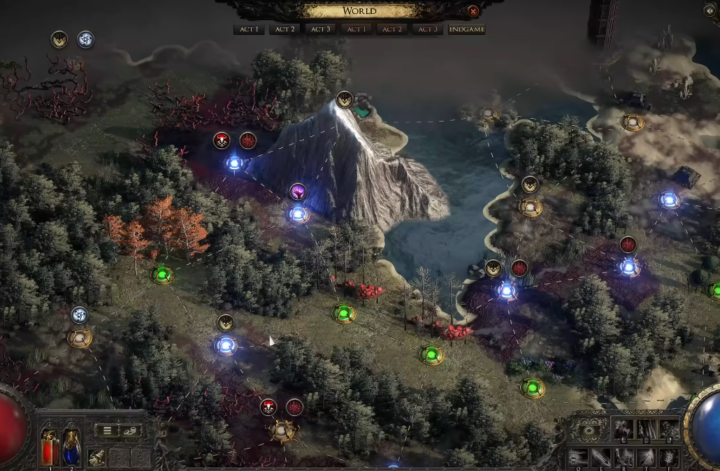
The Arbiter of Ash is located in the Burning Monolith. However, before accessing this area, players need to collect three Crisis Fragments:

    Iron Crisis Fragment

    Copper Crisis Fragment

    Stone Crisis Fragment

These fragments are dropped by bosses found in three randomly generated Citadels on the Atlas. Since Citadels are hidden by the fog of war, players must navigate toward beams of light shooting into the sky, which indicate their locations. Once all three Crisis Fragments are collected, they can be used to unlock the Burning Monolith, granting access to the Arbiter of Ash.

How to Unlock Arbiter of Ash at Difficulty 4

Unlike standard boss fights, facing the Arbiter of Ash at Difficulty 4 requires multiple victories at lower difficulties. Here’s how to unlock the highest difficulty:

    Defeat the Arbiter of Ash for the first time – This rewards 2 Arbiter Skill Points in the Atlas tree.

    Allocate the Arbiter Skill Points – Use them to unlock ‘+1 to Arbiter Difficulty’ in the Atlas tree.

    Repeat the fight three more times – Each time, invest your Arbiter Skill Points to increase the difficulty.

    At Difficulty 4, the Prism of Belief Diamond has a chance to drop.

Only at this final level will the Prism of Belief Diamond be obtainable, making it one of the most sought-after and exclusive drops in PoE 2.

How the Prism of Belief Diamond Works in PoE 2

The Prism of Belief Diamond is highly prized for increasing the level of key skills by up to +3, a massive boost for endgame builds. This effect stacks with other +Skill modifiers, making it an essential Jewel for maximizing damage potential.

For example, consider the Spark Sorceress, one of the most powerful builds in Path of Exile 2. If a player uses a Prism of Belief Diamond with +3 to Spark Skills in a Jewel socket, then combines it with:

    A Staff that gives +7 to all Lightning Spell Skills

    A Level 21 corrupted Spark Skill Gem

They can effectively push their Spark skill to Level 31 before even factoring in additional bonuses from the Passive Skill Tree, Amulets, or Rings. The potential for insane damage scaling makes this Jewel an endgame necessity for certain builds.

Trading for Prism of Belief Diamond with POE 2 Currency

Since the Prism of Belief Diamond is an extremely rare drop, most players will obtain it through trading rather than farming. The value of this Jewel can range from 1-2 Divine Orbs to hundreds, depending on its roll and skill bonuses.

This is where POE 2 Currency becomes essential. Players who lack the ability to farm the Arbiter of Ash at Difficulty 4 can instead accumulate valuable trade currency to purchase the Prism of Belief Diamond from other players. The most effective ways to do this include:

1. Farming High-Value Items

Certain Unique items, high-level crafting materials, and other rare drops can be traded for Divine Orbs or Exalted Orbs, which are commonly used in high-end trades.

2. Currency Flipping

Some experienced traders use POE 2 Currency flipping strategies, where they buy low and sell high on items and currency exchanges. This is a riskier but profitable way to build wealth quickly.

3. Selling Services

Many top-tier players offer boss-killing services for a fee. If you can’t defeat the Arbiter of Ash yourself, you might be able to hire a skilled player to kill him for you in exchange for in-game currency.

4. Running Mapping and Atlas Strategies

Focusing on running Atlas Citadels, Delve, or Heist content can be a steady way to farm POE 2 Currency, allowing you to buy high-end items like the Prism of Belief Diamond without relying on extreme boss fights.

Fixing the Prism of Belief Diamond DPS Display Bug

Some players have reported that their DPS does not update after equipping the Prism of Belief Diamond. This issue occurs because Path of Exile 2 only updates the DPS calculations when switching zones.

Solution:

    Simply teleport to another zone and check your DPS again. The new value should reflect the correct bonus provided by the Prism of Belief Diamond.

Final Thoughts

The Prism of Belief Diamond is one of Path of Exile 2’s most sought-after Unique Jewels, offering unparalleled benefits for high-end DPS builds. However, obtaining it requires defeating the hardest boss at the highest difficulty, making it a challenging endeavor for most players.

For those who prefer an alternative approach, trading for the Prism of Belief Diamond using POE 2 Currency is a viable and often more efficient route. By farming valuable items, flipping currency, or utilizing in-game services, players can acquire this rare Jewel without taking on the Arbiter of Ash themselves.

Regardless of how you obtain it, the Prism of Belief Diamond remains a powerful tool in PoE 2, capable of pushing builds to their absolute limits. Whether you’re a hardcore grinder or a savvy trader, this Jewel is one to keep on your radar.

Continue Reading

Top 5 Ways to Earn Currency in Path of Exile 2: A Guide for New Season Starters

Welcome, Exiles! If you’re jumping into the new season of Path of Exile 2 (PoE 2) and aiming to maximize your POE2 Currency early on, you’ve come to the right place. In this guide, we’ll cover the five most effective methods to get your currency rolling. These strategies are perfect for those starting from scratch, with a particular focus on farming base items, farming specific map modifiers, crafting, and more.

1. Base Item Farming: Your New Best Friend

Base item farming is one of the best ways to build up currency early in Path of Exile 2. The idea is simple: focus on collecting low-tier, regular base items that are often in demand for crafting or gambling. Many players in PoE 2 buy these items to gamble or use in crafting, especially with the use of orbs like Orb of Chance.

Base Items to Farm and Sell:

  • Stellar Amulet (Normal): A basic Stellar Amulet can be used with an Orb of Chance to become an Ashment Stellar Amulet, which is highly sought after.
  • Sapphire Rings (Normal): Another item that can be transformed with an Orb of Chance to become Dream Fragments, an essential ring for certain builds.
  • Amethyst Rings (Normal): These are used with Orb of Chance to create Original Sin amethyst rings, another item with high demand.
  • Breach Rings (Normal): These are sought after by players crafting for “melee” builds, making them highly profitable.
  • Wand Bases: Many current PoE 2 builds are utilizing wands, so crafting wands or selling wand bases can bring in solid returns.

Tip: To streamline this process, create your own item filter. This will help you identify and highlight specific base items while you’re farming in the map. With the right filter, you can easily pick up and sell these base items in bulk, usually on platforms like The Forbidden Trove (TFT), where other players are eager to buy them for crafting and gambling purposes.

2. Waste Farm: The Hidden Goldmine

The second method involves farming Waste (a specific map modifier) for its valuable properties. Waste is a modifier that players seek, especially on high-tier maps. Tier 15 Waste Stones with modifiers that increase experience points are in high demand.

Why is this valuable?

  • These items can be sold for a decent amount of currency, ranging from 40 Exalted Orbs to 1-2 Divine Orbs depending on their modifiers.
  • Players love these because they help them level up fast, making them a staple in Path of Exile 2’s economy.

What You Need to Do:

  • While clearing maps, pick up Waste Stones. When you encounter a modifier that boosts experience points, you’ve struck gold. Keep an eye on Tier 15 Waste Stones with the experience-enhancing modifiers for maximum profit.

Farming Waste Stones requires a good understanding of map mechanics and modifiers, but once you’ve got the hang of it, you can turn these drops into big currency earnings.

3. Gold Farming: A Tried-and-True Method

Gold farming is always a classic method to rack up currency, and it remains effective in PoE 2 just like in previous versions of the game. The idea here is simple: farming a specific type of content, like rare monsters or chests, for high-value drops.

Why Is This Effective?

  • You’re collecting a variety of items and resources that players are willing to buy.
  • PoE 2 has seen updates that make certain types of content more rewarding in terms of gold farming. This includes crafting materials, unique items, and other high-demand commodities.

In general, gold farming is about consistency and efficiency. Whether you’re farming maps or specific areas, focus on grinding for high-tier items that can be easily sold for a solid amount of currency.

4. Item Corrupting: The Ultimate Risk vs. Reward

Once you have gathered enough currency through farming base items, Waste Stones, and gold, it’s time to dive into item corrupting. Corrupting items is a high-risk, high-reward method of making a profit. The process involves using the Artificer’s Orb to “punch holes” into gear and enhance the item with special modifications. This method can bring huge profits, especially when you manage to hit a successful corruption.

The Process:

  • After acquiring items through your other methods, use an Artificer’s Orb to corrupt them.
  • Make sure to use Courtesy Quality on items before starting the corruption process to increase your chances of success.
  • Pay attention to which items are worth corrupting. For example, PoE 2 has many high-value gear slots like rings, boots, and weapons that can fetch incredible prices if the corruption process succeeds.

Corrupting can yield high-value items like upgraded uniques or rare, high-tier versions of gear that players are willing to pay top dollar for. However, it’s important to note that corrupting can also be a gamble—sometimes, you might lose out on the investment, so it’s wise to choose your items carefully before proceeding.

5. Crafting: The Big Ticket to Currency

Finally, the top method for making a significant amount of currency early in the season is crafting high-value items. PoE 2 offers a range of crafting opportunities, but it can be expensive and requires a good understanding of the crafting system to achieve top-tier items.

There are two main methods of crafting that will likely bring you the most success:

Method 1: Currency Crafting

Currency crafting involves using valuable currency like Divine Orbs to modify and craft items. However, this can be very costly. For example, crafting a mirror-tier ring might take a substantial amount of Divine Orbs just to get the right modifiers. With that in mind, this method requires a significant upfront investment, so it’s often best to pursue crafting once you’ve accumulated enough currency from the previous methods.

Method 2: Expedition Crafting

Expedition crafting is another great way to create high-tier items. This method requires players to farm Expedition content or trade with NPC Alva to obtain necessary crafting materials. These materials, combined with Exposition Master crafting, can allow you to create valuable items that are highly sought after in the economy.

The Investment Pays Off: While both currency and Expedition crafting require patience and a sizable cheap Path of Exile 2 Currency pool, the rewards can be worth it. High-tier crafted items can be sold for a significant amount of Exalted Orbs or Divine Orbs, so this method becomes increasingly profitable as you grow your wealth.

Final Thoughts

The path to accumulating wealth in Path of Exile 2 is filled with opportunities, but success requires a combination of smart farming, crafting, and gambling. By utilizing the five methods outlined here—base item farming, Waste Stone farming, gold farming, item corrupting, and crafting—you can quickly earn the currency you need to progress and start building your dream character.

Remember, the game is ever-evolving, so always be on the lookout for changes in the meta, market shifts, and new strategies. Good luck, Exiles, and may your journey in PoE 2 be filled with riches!

Continue Reading

OSRS King Long Walkthrough – Journey to the Seer Village Courthouse

Among the many gripping quests in Old School RuneScape, King Long stands out for its blend of mystery, intrigue, and courtroom drama. A crucial segment of the quest unfolds within the Seer Village courthouse, where players must untangle a web of evidence and testimonies to uncover the truth behind a high-stakes case.Play the game smarter, not harder – invest in OSRS gold with RSgoldfast and excel in your quest!

Arriving at the Courthouse

Located southeast of the Seer Village bank, the courthouse is an imposing structure that serves as the backdrop for this intense trial. As players step inside, they are immediately thrust into a tense atmosphere where Anna, the accused, pleads for help. She promises to reveal critical information about her mysterious entry into Camelot—but only if her innocence can be proven. The challenge is clear: players must dismantle the prosecution compelling case and expose the flaws in their evidence.

Analyzing the Prosecution Evidence

The prosecution presents four key pieces of evidence against Anna, each of which must be carefully examined and refuted:

1.Anna Fingerprints on the Dagger

    The first accusation centers around Anna fingerprints being found on the dagger—a seemingly damning connection to the crime. However, players can cast doubt on this evidence by investigating alternative explanations. Speaking with various NPC around Seer Village might reveal inconsistencies in how the fingerprints were obtained or suggest that they were planted. The goal is to introduce uncertainty about the dagger true origins and how it came into Anna possession.

    2.The Poison That “Didn’t Work”

      The second piece of evidence is a vial of poison that Anna had purchased but claims was ineffective. The implication is clear: she attempted to use it but failed. To counter this, players must delve into the specifics of the poison itself. Consulting herbalists or alchemists might uncover information about the poison properties, proving that it was either defective, non-lethal, or even a red herring planted to frame Anna.

      3.A Thread from Anna Clothing at the Crime Scene

        A thread matching Anna clothing was found at the crime scene, suggesting her presence. While this circumstantial evidence seems damning, players can weaken its impact by proving that similar fabric is common in the region. Investigating local tailors or speaking with villagers can establish that multiple individuals could have left behind identical threads, creating reasonable doubt.

        4.Eyewitness Testimony Placing Anna at the Scene

          Eyewitnesses claim to have seen Anna at the crime scene, but memory can be unreliable. Players must carefully cross-examine the witnesses to find inconsistencies in their accounts. Perhaps they had a poor view of the scene, were influenced by rumors, or even had their own motives for misidentifying Anna. By highlighting these flaws, players can erode the credibility of the prosecution’s final argument.

          Crafting Anna Defense

          With the prosecution evidence scrutinized, it’s time to construct a powerful defense. Here are some strategies that will help in proving Anna innocence:

          Gathering Counter-Evidence

          Exploring Seer Village and speaking to key NPC may reveal alibis or overlooked details that counteract the claims against Anna. The more evidence players uncover, the stronger their case becomes.

          Uncovering Alternative Suspects

          To strengthen Anna defense, players should investigate possible alternative culprits. Understanding potential motives and hidden agendas could provide a new angle that shifts suspicion away from Anna.

          Influencing the Jury

          In any courtroom battle, perception matters. Players should consider how to frame their arguments in a way that resonates with the jury. Presenting evidence logically and addressing concerns with clarity will boost Anna chances of acquittal.

          The Verdict & The Secrets of Camelot

          Successfully dismantling the prosecution case leads to a victorious moment, setting Anna free and unlocking deeper mysteries tied to Camelot. The King Long quest masterfully blends investigation, logic, and storytelling, challenging players to think critically while immersing them in a gripping legal drama.Choose RSgoldfast for your buy Runescape gold needs. Experience seamless transactions and exceptional customer service.

          By carefully countering the prosecution claims, engaging with NPC, and crafting a compelling defense, players can turn the tide in Anna favor—proving that in Gielinor, justice is not just a matter of fate, but of skill and strategy.

          Continue Reading

          New World Guide: How to Choose a Faction and Unlock Its Benefits

          New World, the massively multiplayer online role-playing game (MMORPG) from Amazon Games, offers players an expansive and ever-evolving world to explore. As you dive into the adventure of Aeternum, one of the key decisions you’ll need to make early on is choosing a Faction. This choice shapes your gameplay experience, from the types of missions you undertake to the way you interact with other players, as well as the rewards and benefits you gain.

          In this New World guide, we’ll explore how to choose the right faction for your playstyle, what benefits each faction provides, and how your faction influences the larger dynamics of the game world. Whether you’re a new player looking for guidance or a veteran in need of a refresher, this article will walk you through the key points of faction gameplay and how to unlock the many advantages that come with being part of a faction.

          1. What are Factions in New World?

          In New World, factions are essentially groups or organizations that you can join during your journey on Aeternum. Each faction offers unique goals, values, and rewards, and your allegiance to one of them will influence your gameplay experience.

          At its core, factions in New World Gold serve as a way to align yourself with like-minded players while also granting you access to specific missions, PvP activities, and faction-based rewards. The factions are more than just a cosmetic choice; they play an integral role in your progression through the game and your participation in the territory control mechanics that define the player-driven economy and politics of the world.

          The three primary factions in New World are:

          The Marauders

          The Syndicate

          The Covenant

          Each faction has its own lore, philosophy, and playstyle, and choosing one will impact your experience both in combat and in the broader world.

          2. Overview of the Factions

          The Marauders

          Philosophy: The Marauders are a group of warriors and explorers who believe in strength, power, and the idea that might makes right. They are often seen as a more aggressive faction, seeking to conquer and claim the land for themselves, believing in the superiority of physical prowess.

          Leadership: The faction is led by powerful military minds who value strength, strategy, and leadership.

          Faction Benefits:

          PvP Benefits: The Marauders are often focused on combat, so they gain significant bonuses to PvP missions, particularly in territory control and faction warfare.

          Combat Gear: Marauders have access to higher-quality weapon crafting and armor crafting, making them highly advantageous for those who enjoy solo or group PvP combat.

          Faction Missions: By joining the Marauders, you gain access to PvE and PvP missions that help you earn faction reputation, tokens, and XP that can be used for upgrading your faction rank and unlocking valuable rewards.

          The Syndicate

          Philosophy: The Syndicate is a secretive and intellectual faction. They value knowledge, intrigue, and subtlety. The Syndicate believes that knowledge is power and that the truth can be found by those who are willing to delve into the mysteries of the world, even if it means working from the shadows. They are a faction of scholars, spies, and strategists.

          Leadership: Led by brilliant tacticians and lore masters, the Syndicate strives to control the flow of information and power.

          Faction Benefits:

          PvP Benefits: The Syndicate excels at deception and strategic control. They can use stealth tactics and intellectual superiority in PvP encounters. Their skills in setting traps and planning ambushes make them formidable foes in territory warfare.

          Crafting and Gathering: Syndicate members benefit from access to unique crafting recipes, especially related to alchemy and potions. This gives them an edge in healing, buffs, and debuffing enemies.

          Faction Missions: Syndicate missions often involve stealth and subterfuge, as well as tasks that require intelligence and cunning, such as gathering rare materials or sabotaging enemy plans. Completing these missions rewards you with faction reputation, tokens, and gear upgrades.

          The Covenant

          Philosophy: The Covenant is a faction driven by faith, order, and righteousness. Their members are devout and steadfast in their belief that the forces of light and justice must reign over the land. The Covenant sees itself as a force of moral clarity and seeks to uphold their vision of divine order on Aeternum.

          Leadership: Led by clerics and zealous leaders, the Covenant is a faction built on spiritual devotion and purity of purpose.

          Faction Benefits:

          PvP Benefits: The Covenant focuses on defensive tactics and support roles in PvP. They are skilled at healing and buffing their allies, making them a great choice for those who prefer a more tactical role in combat.

          Healing and Buffing: Members of the Covenant have a strong connection to healing magic and support abilities. If you prefer a support role in PvP or PvE, this faction provides excellent healer perks.

          Faction Missions: Covenant missions often involve quests that focus on recruitment, protecting allies, and purging corruption from the land. They’re well-suited for those who enjoy defending and supporting their faction’s goals.

          3. How to Choose the Right Faction for Your Playstyle

          Choosing the right faction is about more than just the rewards—they represent a way of life on Aeternum and will shape your gameplay in several important ways. Here’s how to decide which faction suits you:

          Consider Your Preferred Playstyle:

          PvP Focus: If you prefer to dive into the heat of battle and want to focus on PvP, the Marauders may be the right choice for you. They excel in direct combat and territory control, offering benefits for those who enjoy combat-focused gameplay.

          Crafting and Strategy: If you enjoy strategic gameplay and puzzle-solving, or if you want to craft powerful potions and alchemy, the Syndicate will be more to your liking. Their stealthy and intellectual approach makes them ideal for players who value subterfuge and planning.

          Support and Healing: If your playstyle revolves around healing or supporting others, the Covenant is a great choice. Their strong healing perks make them ideal for players who like to buff allies and keep their teams alive in battle.

          Faction Missions:

          Marauders offer plenty of combat-focused missions that reward you with PvP items, and they excel in territory warfare.

          Syndicate has missions that reward crafting and gathering perks, with a focus on strategy and subterfuge.

          Covenant offers defensive and supportive missions, making it perfect for those who want to act as healers or defenders.

          4. Faction Benefits and Rewards

          Joining a faction opens up the opportunity to earn Faction Reputation and Faction Tokens. These rewards allow you to progress through different faction ranks and unlock powerful gear, crafting recipes, and PvP rewards. Here’s a breakdown of what each faction offers:

          Faction Gear and Crafting:

          Marauders offer heavy armor and melee-focused crafting options, giving players access to powerful combat gear.

          Syndicate provides access to magical and stealth-oriented gear, perfect for those looking to specialize in support magic or ranged combat.

          Covenant members get healing gear and buffing recipes, making them ideal for those focused on support roles in combat.

          Faction Missions and Influence:

          Faction missions help you gain reputation, unlock higher ranks, and gain better rewards. As you complete these missions, you’ll gain cheap New World Coins that can be used to purchase special items, such as armor, weapons, and crafting materials.

          PvP and Territory Control:

          Factions play a significant role in territory control. By joining a faction, you’ll participate in PvP activities where your faction can claim and defend territories on the map. Successful territory wars bring significant rewards for your faction, including bonuses for crafting, gathering, and PvP activities.

          5. Conclusion: Choose Wisely

          Choosing a faction in New World is more than just picking an allegiance—it’s a decision that will shape your gameplay, determine your role in PvP and territory wars, and affect the type of rewards you unlock throughout your journey. Whether you’re a combat-driven player, a strategic mastermind, or a support-oriented healer, there’s a faction that aligns with your playstyle.

          Consider the values and gameplay mechanics of each faction carefully. Do you prefer the straightforward power of the Marauders? The intellectual cunning of the Syndicate? Or the righteous defense of the Covenant? Choose the faction that best fits your desired experience, and embrace the rewards that come with being part of a thriving community in New World.

          Good luck, and may your journey through Aeternum be prosperous!

          Continue Reading

          Diablo 4: A Complete Guide to Fractured Peaks

          Diablo 4 is a highly anticipated addition to the beloved Diablo franchise, offering players an expansive open world, rich lore, and deep customization. One of the major regions within the world of Sanctuary is the Fractured Peaks, an inhospitable and treacherous land that players will traverse as they dive into the game. Known for its icy terrain, towering mountains, and brutal enemies, the Fractured Peaks is a vital region that players must explore as they progress through their Diablo 4 journey.

          In this comprehensive guide, we will explore everything you need to know about the Fractured Peaks zone in Diablo 4. From its geography, questlines, key locations, and enemies, to tips for surviving the harsh elements and making the most out of your adventures in the region. By the end of this guide, you will have the knowledge you need to conquer this cold and deadly area with ease.

          Overview of Fractured Peaks

          Fractured Peaks is one of the primary zones players will explore early in Diablo 4 Gold, located in the northern part of the Sanctuary world map. As the name suggests, it is an area characterized by mountainous, frozen landscapes with harsh weather conditions, making it both an alluring and deadly region to explore. The zone serves as the starting point for many players’ journeys, offering essential early-game content while hinting at the dark forces that will play a significant role in the overall storyline.

          The region’s beauty is in its peril. The landscape is dotted with towering snow-capped mountains, deep ravines, and ominous forests. But beneath its breathtaking appearance lies a treacherous world filled with dark secrets, evil cults, and menacing monsters.

          Fractured Peaks Geography and Environment

          The Fractured Peaks is a vast and diverse region, divided into several sub-zones. From icy fields to frozen forests, players will need to navigate treacherous terrain and adapt to environmental hazards. Here’s a breakdown of the main geographical features in the area:

          1. Snowy Mountains

          The Fractured Peaks are known for their towering mountains and vast snowfields. These areas will slow down your movement, with thick snow and icy patches covering the ground. You will encounter both harsh weather effects and steep cliffs, making navigation tricky at times.

          2. Frozen Forests

          Deep within the region, you’ll find parts of the Frozen Forests, where frosty trees and snow-covered foliage line the paths. The forests are dark and eerie, often housing some of the more aggressive and deadly creatures of the area. It’s easy to get lost here if you’re not careful, and some hidden secrets may be waiting to be discovered deep within the snow-covered woods.

          3. Caves and Underground Passages

          Beneath the surface of Fractured Peaks lies a network of caves and underground pathways. These tunnels often lead to hidden dungeons, where the most dangerous monsters lurk. These areas are dark, cold, and unforgiving, and players will have to be on high alert while navigating through them.

          Key Locations in Fractured Peaks

          Fractured Peaks is not only home to harsh weather and dangerous wildlife, but it also features several key locations players will need to visit for quests, treasures, and story progression. Here are the most notable ones:

          1. Kyovashad

          Kyovashad serves as a major hub in the Fractured Peaks zone. It is a town located near the foot of the mountains, and it’s where players can find NPCs, vendors, blacksmiths, and other vital services. Kyovashad acts as the main settlement and will likely be your starting point in the region.

          2. The Forbidden Reach

          Located to the west of Kyovashad, the Forbidden Reach is a location marked by powerful enemies, including elites and bosses. This area contains significant lore and might be a crucial part of the game’s story. It’s a dangerous place for adventurers, filled with hidden treasures and the chance for high-level combat.

          3. The Glacial Caverns

          The Glacial Caverns are a key dungeon within Fractured Peaks, where players can uncover ancient secrets and battle the undead and ice demons. Expect to face significant challenges in the form of difficult mobs and tough bosses as you venture into this frigid underground network. The caverns are ideal for farming powerful loot and experiencing the game’s best combat encounters.

          4. The Shattered Summit

          The Shattered Summit is a towering peak that players must ascend as part of the main storyline. The journey to the summit is treacherous, and players will encounter formidable foes as they try to reach the top. This is a significant milestone for players looking to advance in the main plot, and the summit itself is a high point both literally and figuratively within the Fractured Peaks.

          Enemies and Creatures of Fractured Peaks

          The Fractured Peaks is home to a wide variety of enemies, many of which are inspired by the region’s cold and harsh environment. These enemies are not only dangerous but also reflect the zone’s lore, tying into the deep story of Diablo 4.

          1. Ice and Cold-Themed Monsters

          Given the region’s environment, many of the monsters in Fractured Peaks are ice-based or cold-themed. These enemies often possess powerful frost abilities, which can freeze players and cause significant damage over time. Some of the more notable ice-themed creatures include:

          Frost Demons: These ice-cold enemies freeze players in place with their attacks and can deal heavy frost damage.

          Ice Golems: Huge, towering creatures made of ice, capable of smashing through defenses with their brute strength.

          Frozen Wights: These undead creatures are a staple of the Fractured Peaks, wandering the snowy landscapes and lurking in caves.

          2. Cultists and Human Foes

          Not all of the danger in the Fractured Peaks comes from the natural world. The Cult of the Triune, a dark and sinister religious group, has set up shop in various locations across the region. The cultists are often seen performing rituals, summoning demons, and spreading corruption across the area.

          Players will also encounter various human enemies that are members of the Triune or other sinister factions. These human adversaries use both physical and magic-based attacks and may wield cursed weapons.

          3. Elite Bosses

          The Fractured Peaks also feature several elite bosses that provide a much greater challenge than the average enemy. These bosses are usually found in dungeons or specific outdoor areas, and defeating them will reward players with cheap Diablo 4 Items, experience, and progress within the game. Some of the more notable bosses include:

          The Frostbound Beast: A massive, ice-covered creature that roams the mountains. Defeating it grants significant rewards and valuable resources.

          The Triune Overlord: A leader of the cultists who has dark powers and commands frost-based magic. Be prepared for a tough battle when facing this enemy.

          Quests and Story in Fractured Peaks

          Fractured Peaks plays a significant role in the story of Diablo 4. The region is not just a cold, barren wasteland; it is a place of deep lore and intrigue. Players will find several important quests here that progress the main storyline and provide insight into the larger conflict at play.

          1. The Rise of the Triune

          Much of the early questline in the Fractured Peaks focuses on uncovering the truth behind the Triune cult and its influence in the region. You’ll need to investigate strange happenings around Kyovashad and gather information about the cult’s movements.

          2. The Winter’s Grasp

          Another critical part of the Fractured Peaks questline involves the search for an ancient artifact, which is said to be hidden deep within the Glacial Caverns. The artifact is rumored to have power that could turn the tide in the war against the forces of Hell.

          3. Local Legends and Side Quests

          Throughout Fractured Peaks, you’ll come across several side quests that expand the lore of the region. These can involve tracking down lost travelers, defeating dangerous beasts, or investigating ancient ruins. Completing side quests rewards players with valuable experience, gear, and sometimes even lore that deepens the mystery of the Fractured Peaks.

          Tips for Surviving in Fractured Peaks

          The Fractured Peaks is a dangerous region, and players will need to be well-prepared to survive. Here are some tips to help you thrive in the cold, hostile environment:

          1. Gear Up for Cold Resistance

          The icy nature of the region means that you’ll frequently encounter freezing effects from enemies or environmental hazards. Equip yourself with gear that grants cold resistance to minimize the impact of these debuffs.

          2. Stock Up on Healing Potions

          The Fractured Peaks’ enemies are tough, and you’ll often find yourself needing to heal quickly during fights. Stock up on healing potions and elixirs to stay in the fight longer and ensure you can recover from any dangerous situations.

          3. Keep an Eye on Your Map

          The vast and treacherous landscape of Fractured Peaks can make it easy to get lost. Pay attention to your map and use waypoints to mark important locations. Exploration can lead to valuable treasures and secrets hidden throughout the zone.

          4. Use the Environment to Your Advantage

          Some of the areas in Fractured Peaks offer verticality and environmental advantages in combat. Take advantage of higher ground or choke points when fighting enemies to gain the upper hand.

          Conclusion

          The Fractured Peaks is a key region in Diablo 4, offering players a mix of challenging quests, deadly enemies, and a deep story tied to the cults and dark forces of the world. From the snowy mountains and frozen forests to the eerie caves and powerful bosses, the Fractured Peaks is both a visually stunning and perilous region to explore. Whether you’re progressing through the main story or tackling side quests and dungeons, the Fractured Peaks offers a wealth of content for Diablo 4 players. Stay prepared, gear up, and embrace the harshness of the region as you uncover its secrets and battle its terrors.

          Continue Reading
          1 4 5 6 7 8 23